




Blog / Buick Maintenance Tips

4 Car Maintenance Tips Every GMC and Buick Owner Can Use

2f1fe4d0-f3f9-478a-a0cb-e2dff293d08d

Car maintenance is a simple process for drivers who want to maintain their cars in between trips to the dealer, save time and money, and avoid expensive repairs. If you prefer to have your dealership handle the maintenance because you feel out of your depth, your GMC dealer can help you, too. Dealer technicians will keep comprehensive records of all your services, use approved filters and fluids, and make sure every part of your vehicle is in good working order.

4 Car Maintenance Tips From Your Buick GMC Dealer

1. Fluids

Regularly check your fluids and replace them when they are depleted or dirty. Oil is the most important fluid because it helps your engine avoid friction and heat, major causes of engine wear. When checking your oil, check it at least once a month. If you must change the oil, most manufacturers recommend changing it every 3,000 miles, so check the manual to make sure. Take your vehicle to the dealer if you don't feel comfortable changing fluids.

Other fluids you want to check are brake fluid, power steering fluid, transmission fluid, and coolant. If any of these fluids are low, add the correct fluid based on your owner's manual. If you notice a spot on the ground from any of these fluids, it is a good idea to take your vehicle to the dealer and schedule service so the technicians can find the source of the leak and fix it. This will help you avoid future problems.

2. Lights

Check the outside lights, including your fog lights and high and low beam lights. Some cars may have a special tool that allows you to easily change these lights. Otherwise, you should visit the dealership mechanic to do this for you. Brake lights and blinkers are also important. Making sure these parts work ensures the safety of you and your passengers.

3. Tire Pressure

Tire pressure should also be checked regularly because low tire pressure will affect fuel efficiency. Properly inflated tires control tire wear and help avoid problems with vehicle alignment. Make sure to check the pressures in your tires at least once per month when you check your fluids.  It is also important to check the spare tire as well.

4. Battery

Batteries are another important part of your vehicle that should be checked regularly. Batteries should be replaced every four or five years. Cold weather can lead to weakened batteries. Fortunately, dealers will test batteries for free, so take advantage of this service to get your batteries checked. Having them tested is a good idea to avoid getting stuck when the vehicle won't start.

Regular routine maintenance is important because it saves you from expensive repairs and helps your vehicle last longer. Visit us at Crain Buick GMC to schedule your next maintenance on your Buick or GMC vehicle.
Posted in:

Related Posts

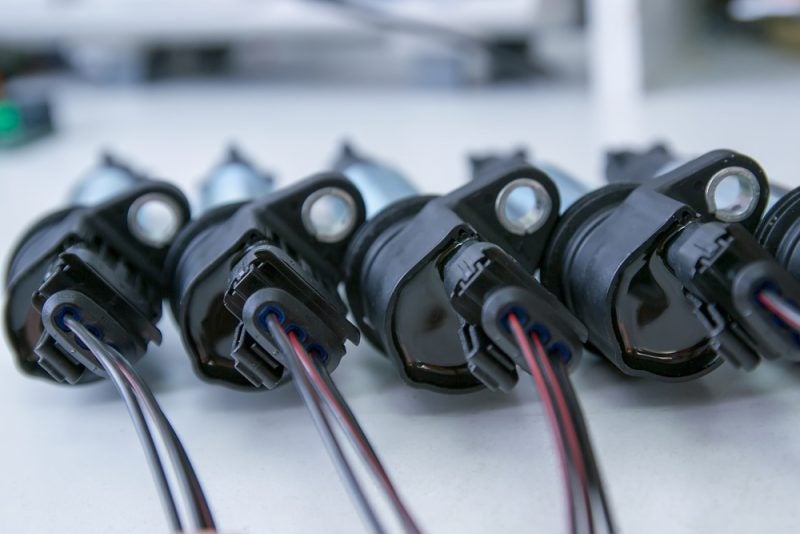
Close-up of multiple ignition coils lined up on a white surface.

Does Your Car Have a Faulty Ignition Coil?

Without healthy ignition coils, spark plugs can't spark properly, and without good spark plugs, your engine won't generate any power at all. Ignition coils are hardy engine components that tend to last well over 100,000 miles. But eventually, all car parts begin to wear down. If you notice the following seven signs of a faulty ignition coil, visit your local Buick dealer right away to have it cleaned or replaced. Does Your Car Have a Faulty Ignition Coil? Your Engine's Misfiring Ignition coils deliver a strong and steady supply of electrical power to the spark plugs. When an ignition coil stops doing its job, the corresponding spark plug will begin to misfire. Misfiring usually makes the engine shudder and sputter noisily. You'll also see the engine's RPMs jumping around erratically. Your Engine's Struggling in Idle With a faulty coil, cars can really start to struggle while idling. You might find your engine shaking and coughing, and perhaps even stalling, when you slow down at traffic lights. Your Gas Mileage Is Dropping With a less efficient combustion process, an engine with a faulty coil is burning through fuel less effectively. You'll probably find the gas gauge on your dashboard dropping toward empty at a surprising rate. Your Exhaust Is Backfiring When a malfunctioning ignition coil causes the spark plug to misfire, unburned fuel can build up inside the combustion chamber. This can lead to all kinds of other problems. The collecting unburned fuel may suddenly ignite outside the cylinder's ordinary rhythm, just as the cylinder is opening. This would cause a loud bang from your exhaust, otherwise known as backfiring. Your Tailpipe's Emitting Smoke The excess of unburned fuel can also start to leak out of the cylinder and run back through the exhaust system. Here, the fuel will often turn into black smoke that you'll soon see billowing from your tailpipe. Your Check Engine Light's Blinking The various inefficiencies resulting from a bad ignition coil will soon be detected by the computerized sensors inside your Acura. This will trigger the check engine light to come alive on your dashboard, prompting you to see a technician at once. Your Buick Dealer Finds a Faulty Coil Regular servicing visits at your local dealership are the key to keeping every part of your car in tip-top condition. During your visits, the technician will observe and test how well your car is functioning. If one of your ignition coils is faltering, they'll quickly notice, let you know, and either clean or replace the faulty coil. Visit Crain Buick GMC today to have your ignition coils checked today. We're a family-owned dealership with a wide range of excellent vehicles, highly trained technicians in our service center, and a dedication to prioritizing customer experience above all else.

Happy couple shaking hands with a dealership representative after finalizing an extended warranty.

What's Included in an Extended Warranty on a Buick or GMC Vehicle?

Purchasing an extended warranty is a great way to protect your vehicle once the factory warranty expires. You should ask your GMC or Buick dealer about your options when shopping for a used vehicle or getting your car serviced. When Does the Buick and GMC Factory Warranty Expire? The factory warranty that comes with new GMC and Buick vehicles lasts three years or 36,000 miles. Your brand-new vehicle also comes with a five-year or 60,000-mile powertrain warranty. Extended Warranty Options From Buick and GMC Once your factory warranty expires, your vehicle becomes eligible for a protection plan or service contract from the manufacturer. Buick and GMC offer options that last up to eight years or 100,000 miles, depending on your needs and budget. There are three levels of service: Powertrain Silver Platinum Powertrain Coverage A Powertrain protection plan is the most affordable option. It covers faulty engine components, transmission, drive axles, and the electric motor of your hybrid or EV. Silver Protection Plan If you opt for the Silver tier, you'll get coverage for the powertrain components mentioned above, as well as protection for your vehicle's suspension, electrical systems, steering, and brakes. Platinum Warranty A Platinum plan is the most comprehensive option. Besides covering everything included under the Silver plan, you'll get coverage for your car's navigation, audio, and infotainment systems. Benefits Overview The primary purpose of these protection plans is to cover repairs. However, you'll get additional perks and benefits, including: A transferrable warranty Roadside assistance Car rental coverage Trip interruption coverage Additional Plans Your GMC or Buick Dealer Offers Tire and Wheel Protection Regardless of the service contract tier you choose, you won't get coverage for your vehicle's tires and wheels. If you want to protect these components, your best option is to purchase a tire and wheel protection plan. GMC and Buick offer plans that last from one to seven years with no mileage limits. These plans cover repairs and tire replacements. Pre-Paid Maintenance A pre-paid maintenance plan allows you to pay in advance for oil changes, tire rotations, and multi-point vehicle inspections over the next three, five, or six years. It's a great way to save money on maintenance since prices for these services might go up in the future. Gap Coverage In the event of a total loss, your auto insurance provider might not cover the full amount you owe on your auto loan. It's where gap coverage comes in and makes up for the difference not covered by your insurer. If your factory warranty is about to expire, now is the perfect time to compare service contracts from Buick and GMC and choose an option that makes sense for your needs. Contact us at Crain Buick GMC in Conway, AR. We can answer all your questions about extended warranties and help you pick the right plan.

Undercarriage of a vehicle in a service bay with fluid draining into a pan

5 Electrical Problems You Should Always Fix at Your GMC Dealer

It might be gas that keeps your engine going, but your car also relies on its electrical systems to get it going, keep it going, and make your drive comfortable and safe. It's therefore worth staying vigilant to the signs of electrical problems, so that you know when to contact your GMC dealer without delay. 5 Electrical Problems You Should Always Fix at Your GMC Dealer 1. An Engine That Won't Crank When you turn the key or press the ignition, the chirping noise that your engine makes before it roars into life shows that it's cranking. But this needs a charge to make it happen, so if your car is struggling to crank it could be a sign of electrical faults. A clicking or grinding noise can suggest that there's a problem in your starting motor. If there's no response when you try the ignition, check to see if the lights are working. If they are, you may have alternator problems; if they aren't then it could be that your battery is flat. And any of these problems require an appointment for an electrical diagnostic right away. 2. Individual Fuses That Keep Blowing If a single electrical component, such as a brake light, stops working when everything else is fine then it's usually the sign of a blown fuse. This is a relatively simple fix, and it happens from time to time. But if you notice that the same fuse keeps blowing, there's likely an electrical fault behind it. 3. A Battery That's Damaged or Leaky Batteries have a lifetime of between three and five years, so it's important to make sure that they're still operating at optimum capacity. Make a quick visual check every time you pop the hood, and look for stains or buildup around the terminal. Remember that the contents are corrosive and can cause injury if there's a leak, so exercise caution when checking and be proactive about getting a worn battery replaced. 4. Electrical Components That Fail Your car's electrics keep multiple systems running, so if they start failing then it can be a sign that something is amiss. This can include sluggish electric windows, a failing entertainment system, or dim and flickering lights. 5. A Smell of Burning Plastic The plastic insulation around the wires can burn or melt if there's an electrical fault, so this odor can be a tell-tale sign of trouble. If you smell burning plastic, take your car off the road and seek advice immediately. Electrical faults might mean small malfunctions and gradual brownout, or the sudden dramatic failure of your car's components, so it's important to pay attention to your car's charge. If you think there might be a problem, contact us at Crain Buick GMC so that our factory-trained technicians and state-of-the-art technology can get your car back in the best shape.